




Automatic transmissions have become the dominant choice in modern vehicles, but the ability to drive a manual car remains a valuable and practical skill. Drivers who can handle both transmission types are more versatile, better prepared for unexpected situations, and often develop a more confident, attentive approach to driving overall.
If you have been considering whether learning to drive a manual is still worth the effort, the answer for most drivers is a clear and resounding yes.
The Driving Confidence That Only Comes from Full Control
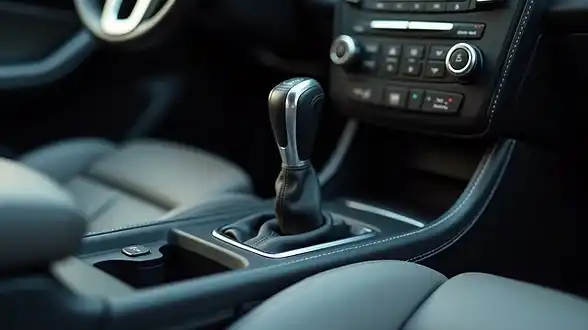
Manual driving requires active engagement with the vehicle in a way that automatics simply do not. Managing the clutch, gears, and throttle simultaneously demands attention and coordination that quickly becomes second nature, but builds a driver’s overall awareness and responsiveness on the road.
Drivers who learn on a manual typically develop a more thorough understanding of how vehicles behave under different conditions, which translates into greater confidence and safer habits regardless of what they drive.
Practical Advantages That Automatic Drivers Miss Out On
The practical benefits of knowing how to drive a manual extend far beyond the driving experience itself. Manual vehicles remain common in many parts of the world, and travellers who cannot operate them may find their transportation options significantly restricted.
Rental car fleets in numerous countries are predominantly manual, and some classic or specialist vehicles exist only in manual form. For those who want to enroll in manual car lessons, the skills gained open doors that remain firmly closed to automatic-only drivers.
How Manual Driving Develops Better Road Awareness and Safety Habits
Because manual driving demands more active involvement, it tends to discourage distracted behaviour behind the wheel. The physical engagement required to manage gear changes and clutch timing keeps drivers mentally present in a way that is harder to sustain in an automatic.
This heightened focus often leads to smoother, more anticipatory driving as learners quickly discover that reading road conditions well ahead is essential to making gear changes smoothly and safely.
Cost and Fuel Efficiency Benefits Worth Considering
Manual vehicles are generally less expensive to purchase and maintain than their automatic counterparts. The transmission system is mechanically simpler, meaning repairs are typically less complex and less costly when they are needed.
In the hands of a skilled driver, a manual gearbox can also deliver better fuel economy than an automatic equivalent, as the driver maintains direct control over when and how efficiently gear changes are made. Over years of ownership, these advantages can represent meaningful financial savings.
Getting Started with Manual Driving the Right Way
The learning curve for manual driving is real but shorter than most beginners expect. Working with a qualified instructor in a structured lesson format accelerates progress and builds correct habits from the outset. Starting in quiet environments and gradually moving to busier roads allows skills to develop without overwhelming new learners.
Most people reach a point of genuine comfort with a manual vehicle within a moderate number of lessons, especially with consistent and well-structured instruction.
Conclusion
Learning to drive a manual car is an investment in versatility, confidence, and practical capability that pays dividends for life. The initial learning curve is manageable, the long-term benefits are substantial, and the sense of accomplishment that comes with mastering full control of a vehicle is genuinely rewarding. It is a skill well worth acquiring at any age.