



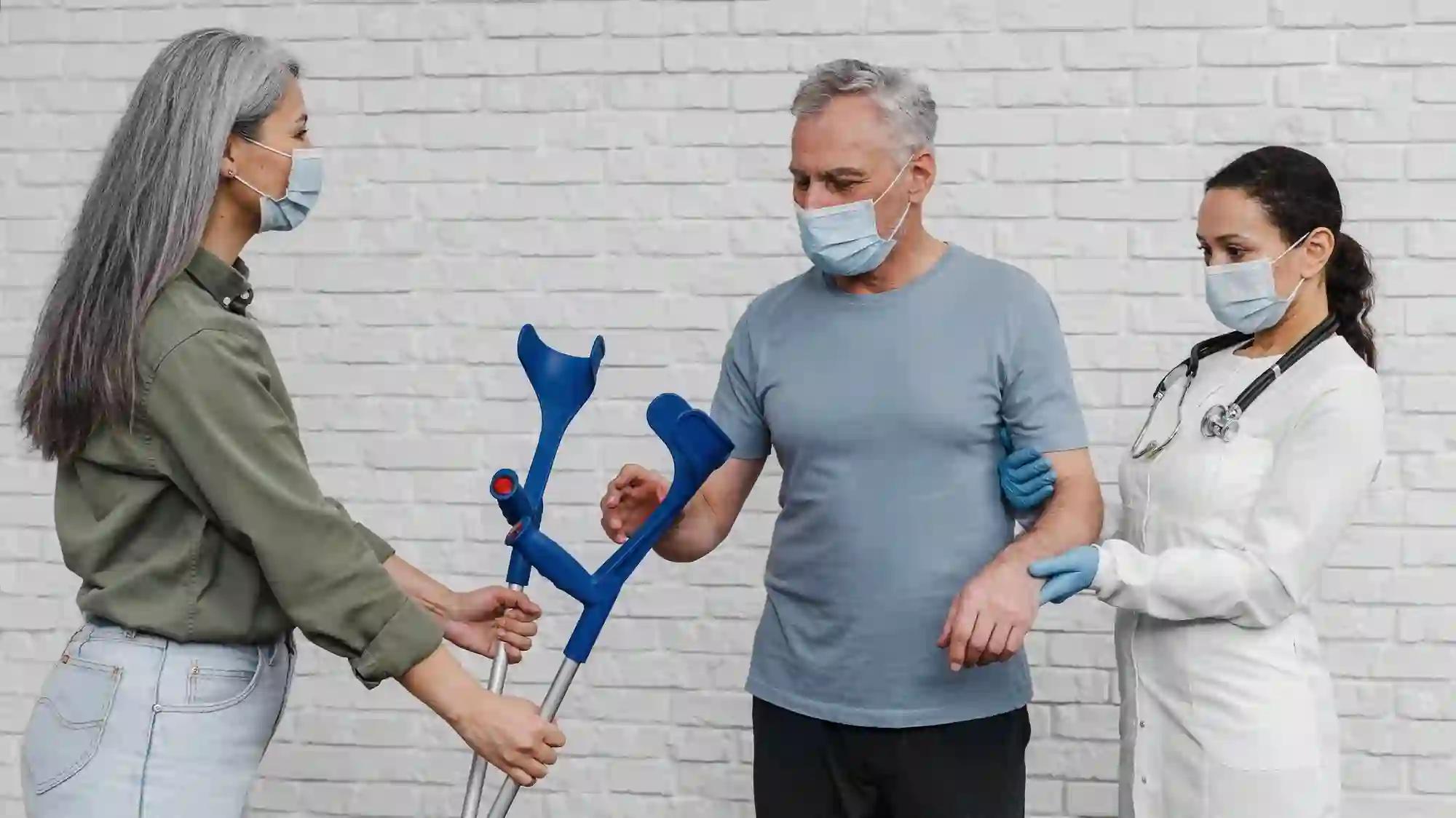
A career in orthotics and prosthetics really gives you a chance to improve someone’s everyday life, especially if they’re dealing with mobility issues or physical disabilities. People working in this area design, fit, and maintain custom devices that help patients move more confidently and handle everyday tasks more easily.
But first, you have to pick the right educational path. If you enroll in a recognized program, you get the kind of learning, hands-on know-how, and workplace-level preparation that helps students succeed in this specialized healthcare field.
This article will explore the benefits of enrolling in an accredited orthotics and prosthetics program:
High-Quality Education
An accredited orthotics and prosthetics program typically adheres to recognized educational standards, ensuring students receive comprehensive training. Usually, the coursework blends classroom theory with hands-on practice, covering anatomy, biomechanics, patient assessment, device design, and clinical practice. Studying in a structured program helps you build a solid foundation that prepares you for real professional duties.
Better Career Opportunities
Finishing an accredited program can make it easier to find employment. Many employers in healthcare lean toward candidates who have completed recognized educational pathways because such completion suggests they meet professional standards and demonstrate quality preparation.
In addition, an accredited credential may help graduates meet eligibility requirements for certification or licensure, or pursue additional career options. It depends on the region, but the general idea is similar: accreditation helps strengthen the foundation.
Hands-On Clinical Experience
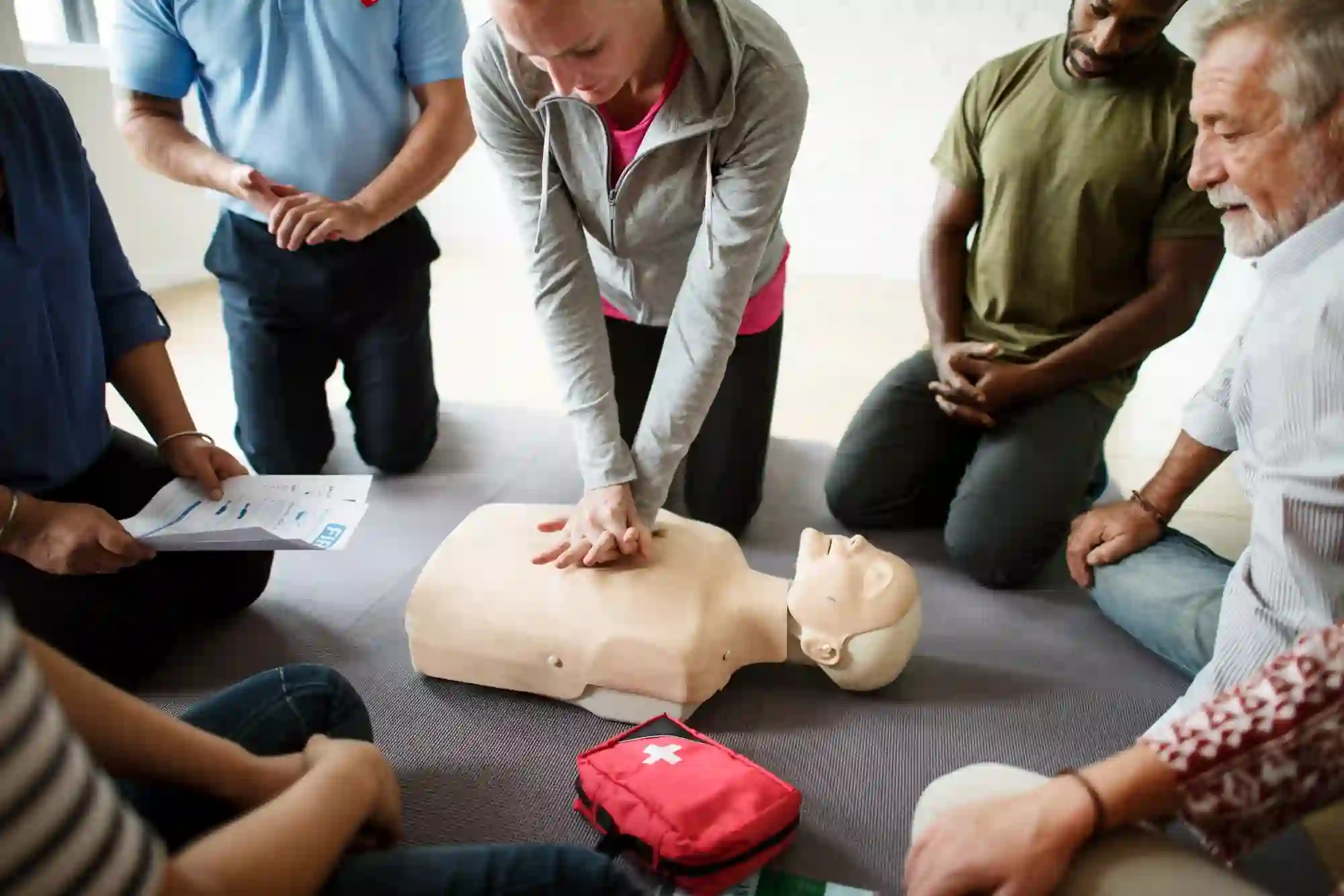
Practical training is like this essential, everyday part of professional growth. Many accredited programs offer supervised clinical placements, where students gain real-world experience while working with patients and seasoned practitioners. It’s that kind of direct involvement that keeps everything grounded and generally helps learners build confidence, sharpen technical know-how, and truly understand how to deliver patient-centered care in real clinical environments.
Access to Qualified Faculty
Students in accredited programs usually learn from instructors with a solid track record and deep knowledge in orthotics, prosthetics, and patient care. Faculty members offer support for both the more theoretical ideas and the practical routines, and they share an industry perspective that you just don’t get from textbooks alone. Learning from these qualified professionals means students can stay aligned with current practices and the newer advances entering the field.
Strong Professional Foundation
An accredited program is not only about technical performance or isolated skills. Students also build communication abilities, problem-solving habits, critical thinking, and ethical judgment, all of which matter a lot when you’re working with patients and healthcare teams. Those professional capabilities typically translate into better patient outcomes and set graduates up for steady, long-term career momentum.
Opportunities for Continuing Growth
Healthcare technology keeps changing, so professionals can’t really fall behind. They need to keep up with new materials, digital design approaches, and updated treatment techniques. Finishing an accredited program establishes a solid educational foundation that supports ongoing study and development throughout a career. Graduates are often better positioned to pursue specialized training, certifications, or further education as the profession continues to expand.