





The relationship between law enforcement and the younger generation is a cornerstone of a healthy and stable society. In recent years, there has been an increasing focus on how structured academic and social initiatives can bridge the gap between these two groups.
The foundation of this progress lies in specialized police education that emphasizes communication, empathy, and community engagement. By transforming the traditional perception of authority into one of mentorship and support, officers can create lasting positive impressions on students.
These educational frameworks serve as a vital tool for ensuring that the next generation views the law as a collaborative partner in their safety and success.
Humanizing Authority Through Consistent Police Education Initiatives
One of the most effective ways to build trust is by allowing young people to interact with officers in non-confrontational environments. Through a dedicated police education program, students are given the opportunity to ask questions, share their concerns, and see the individuals behind the uniform.
This transparency helps to dismantle stereotypes and reduces the fear that often exists in underserved communities.
When officers are trained to engage as educators rather than just enforcers, they can build a rapport that encourages open dialogue and mutual respect. This humanized approach is essential for establishing a long-term foundation of trust and cooperation.
Developing Mutual Respect Through Interactive Learning
Interactive workshops and seminars provide a neutral ground where both parties can learn from one another. A robust police education strategy involves officers visiting schools to discuss civic duties, safety protocols, and the mechanics of the legal system.
These sessions allow students to understand the why behind various laws, while officers gain insight into the unique challenges and perspectives of the youth they serve.
By exchanging ideas in a classroom setting, both groups develop a deeper appreciation for their shared roles in maintaining social harmony, effectively turning potential conflict into meaningful collaboration.
Mentorship as a Catalyst for Positive Youth Development
Beyond teaching laws and regulations, police education plays a significant role in mentorship. Officers often serve as role models, providing guidance on everything from career choices to conflict resolution.
When a young person has a mentor in law enforcement, they are more likely to stay focused on their academic goals and avoid the pitfalls of negative peer pressure.
This mentorship aspect helps to cultivate a sense of belonging and responsibility in young individuals, empowering them to take an active role in improving their neighborhoods. The influence of a supportive mentor can change the trajectory of a student’s life.
Promoting Safety Awareness and Practical Life Skills
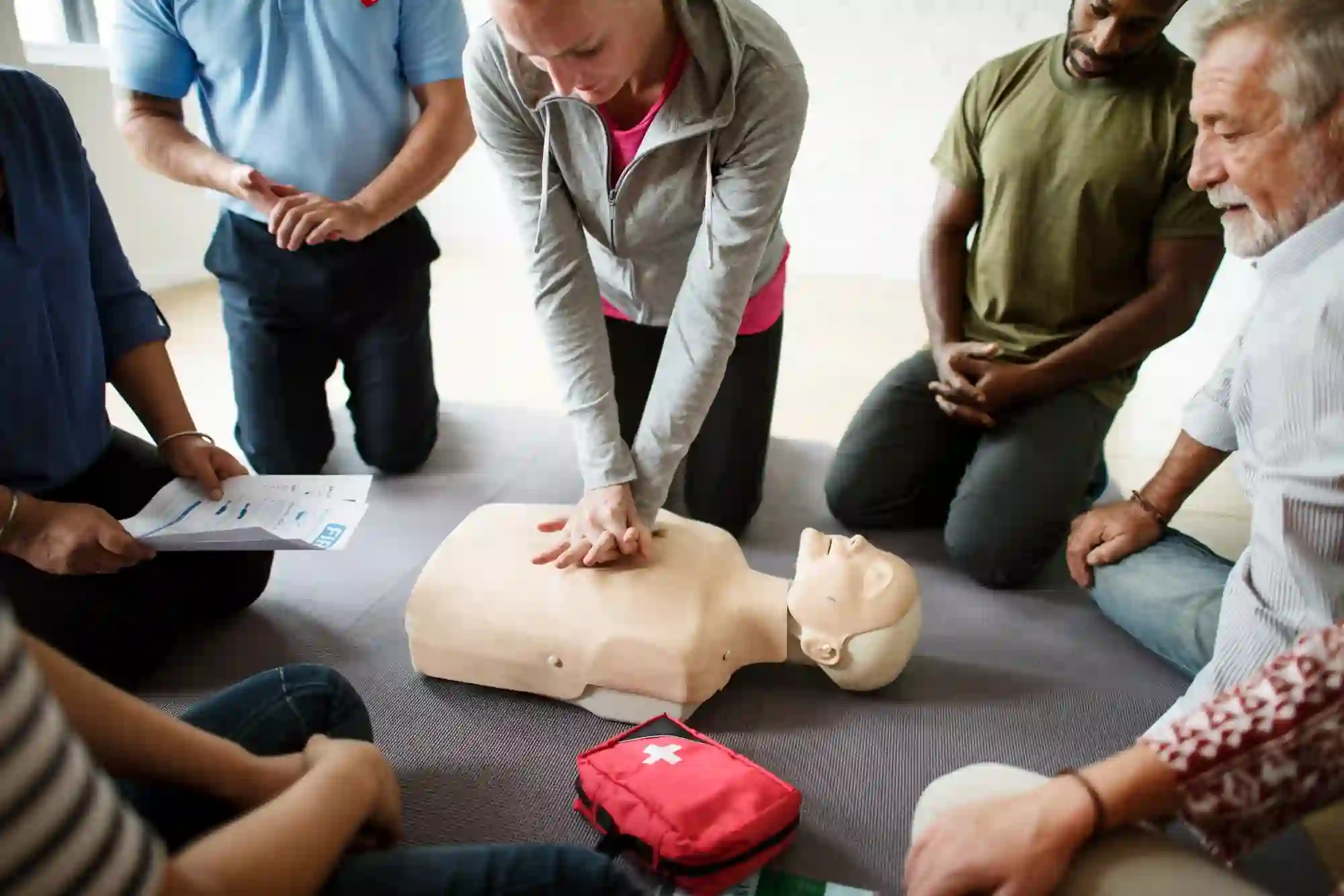
Education in the context of policing often involves teaching practical skills that keep young people safe in a digital and physical world. Topics such as internet safety, emergency response, and substance abuse prevention are central to these curriculum-based efforts.
By providing youth with the knowledge to protect themselves and their peers, law enforcement demonstrates a genuine investment in their well-being.
This proactive approach to safety education ensures that students are prepared for real-world challenges, further reinforcing the idea that the police are a resource for protection and guidance.
Encouraging Civic Responsibility and Community Participation
A primary goal of educational outreach is to inspire young people to become active participants in their democracy. Programs often involve mock trials, neighborhood service projects, and discussions on civil rights.
These activities teach students that their voices matter and that they have a stake in how their community is governed.
When youth feel that they are part of the system rather than external to it, they are more likely to support law enforcement efforts and contribute to a culture of lawfulness and civic pride.