





Switching to solar energy is one of the most impactful decisions a homeowner can make for their long-term finances and environmental footprint. With panel costs continuing to fall and government incentives widely available, the economics of residential solar have never been more favorable.
Understanding how the process works helps homeowners approach the transition with confidence and make choices that deliver real, lasting value.
Hire a Reputable Solar Installer
The person or company you choose to install your system will significantly influence the quality of your solar experience. A certified solar installer handles every stage of the project, from assessing your roof and designing the system to obtaining permits and completing the installation.
Reputable installers carry relevant certifications, offer warranties on labor and equipment, and are familiar with local utility interconnection requirements. Choosing a local installer often means faster response times and easier access to follow-up service if any issues arise.
Think About Solar PV
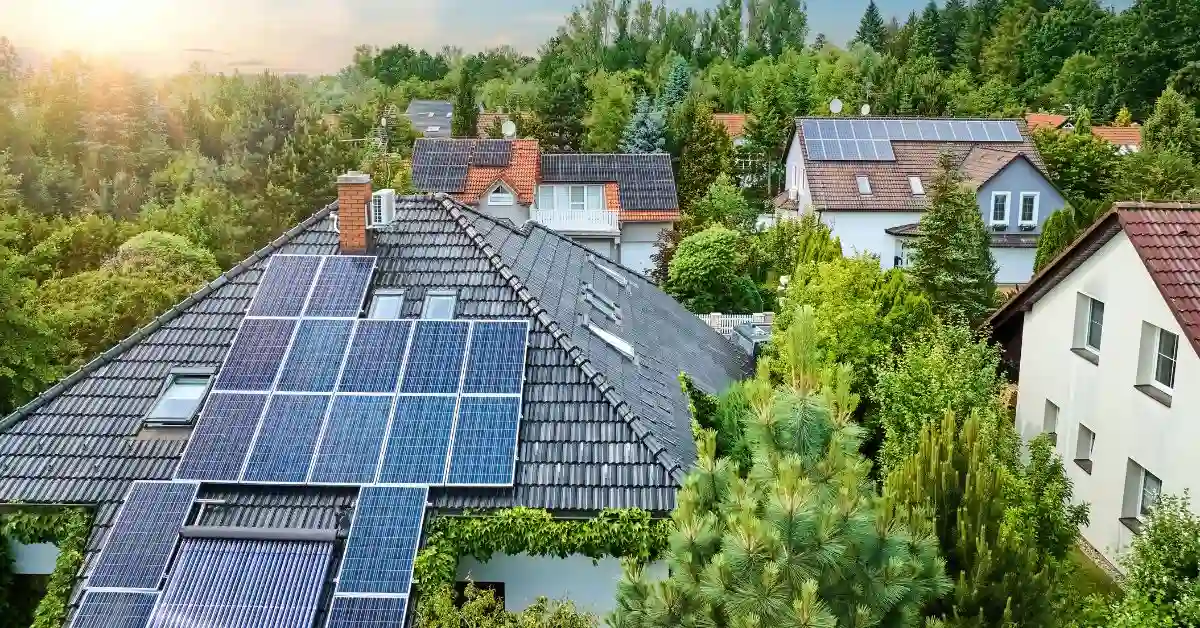
The photovoltaic system at the core of every solar installation converts sunlight into usable electricity. Solar PV panels contain semiconductor cells that generate direct current when exposed to sunlight. An inverter then converts this into alternating current for use throughout the home.
Modern panels are highly efficient, durable, and capable of producing electricity even on overcast days. Most residential systems also include a monitoring platform that lets homeowners track real-time energy production and overall system performance from a smartphone or computer.
What to Consider Before Going Solar
Before committing to a solar installation, it is worth evaluating a few key factors. The orientation and pitch of your roof affects how much sunlight your panels can capture throughout the day. Shading from trees or neighboring buildings can reduce output significantly.
The age and condition of your roof also matters, as it is far more practical to address any roofing issues before panels are mounted. An honest site assessment from a qualified installer will identify these variables and help you understand what level of energy production you can realistically expect.
Financial Incentives and Return on Investment
Solar installations qualify for a range of financial incentives that meaningfully reduce the upfront cost. Federal tax credits, state rebates, and utility programs can cover a significant portion of installation expenses. Net metering policies in many regions allow homeowners to sell surplus electricity back to the grid, generating bill credits that further improve the economics of going solar.
Most residential systems recover their costs within seven to ten years, after which the electricity they generate effectively costs nothing. The long-term savings can be substantial over a system’s 25-plus year lifespan.
What Happens After Installation
Once your system is commissioned and connected to the grid, it begins generating electricity immediately. Your utility will typically install a bidirectional meter to track both the energy you consume and any surplus you export. Regular monitoring through your system’s app helps you stay aware of performance and identify any drop-off that might indicate a maintenance need.
Annual professional inspections are recommended to check wiring, inverter performance, and panel cleanliness. Solar systems are low-maintenance by design, but periodic attention ensures they keep performing optimally.
Conclusion
Going solar is a decision that rewards careful planning and the right professional partnerships. By working with a certified installer and selecting a quality photovoltaic system, homeowners can enjoy lower energy bills, greater independence from the grid, and the satisfaction of generating clean power for their household.
The process is more straightforward than many expect, and the long-term benefits make it one of the most rewarding home upgrades available.