





Starting a career in the energy efficiency sector is becoming increasingly important as people and governments focus more on reducing energy use and carbon emissions. One of the most effective entry points into this growing field is enrolling in a domestic energy assessor course. This type of training provides the knowledge and practical skills needed to evaluate the energy performance of homes and recommend improvements. It is a structured way to build a stable and meaningful career in a sector that continues to grow worldwide.
Understanding the Role of a Domestic Energy Assessor
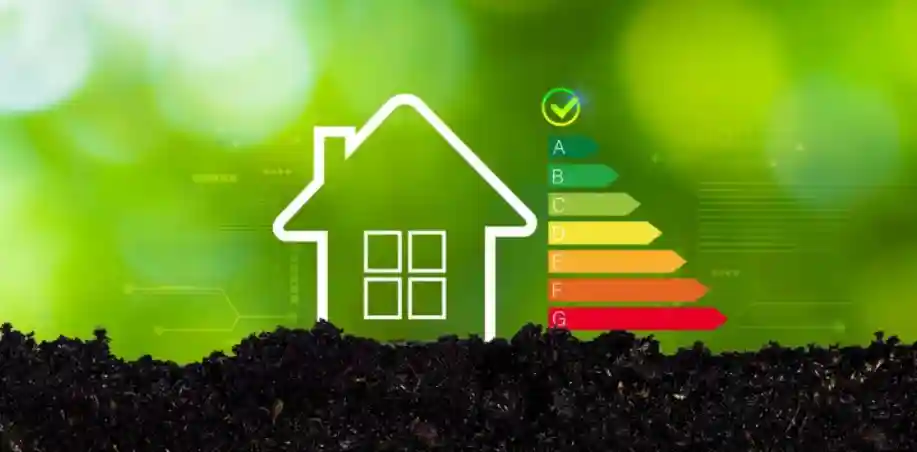
A domestic energy assessor is responsible for inspecting residential properties and analyzing how efficiently they use energy. This includes looking at insulation, heating systems, windows, lighting, and overall building design. The assessor then produces an Energy Performance Certificate (EPC), which rates the property’s energy efficiency from A to G.
A domestic energy assessor course teaches you how to carry out these assessments in a professional and accurate way. It explains how to collect data, use assessment software, and follow national regulations. By the end of the training, learners are prepared to work in real-world environments where attention to detail and accuracy are essential.
Importance of Energy Efficiency in Modern Homes
Energy efficiency has become a major priority due to rising energy costs and environmental concerns. Homeowners are now more aware of how much energy their homes consume and are looking for ways to reduce waste and save money. Governments also encourage energy-efficient housing through regulations and incentives.
A domestic energy assessor course helps you understand these industry demands. It shows how energy ratings impact property value, rental potential, and environmental performance. With this knowledge, you can help homeowners make informed decisions that benefit both their finances and the environment.
Skills You Gain Through Training
One of the main advantages of enrolling in a domestic energy assessor course is the practical skill set it provides. You learn how to assess buildings systematically, interpret technical data, and use specialized software used in EPC generation.
The course also develops your communication skills, as you often need to explain technical results in a simple way to homeowners or landlords. Problem-solving and analytical thinking are also key parts of the training, as you must identify energy inefficiencies and suggest realistic improvements.
These skills not only prepare you for assessment work but also make you suitable for other roles within the energy and construction industries.
Career Opportunities in the Energy Efficiency Sector
Completing a domestic energy assessor course opens the door to a variety of career paths. Many qualified assessors work independently, offering EPC services to property owners, estate agents, and landlords. Others find employment with energy companies, government programs, or property inspection firms.
There is also potential for growth into related areas such as energy consultancy, building inspection, and sustainability advisory roles. As energy regulations continue to evolve, the demand for skilled professionals in this field is expected to rise steadily.
Why This Course Is a Strong First Step
For anyone interested in entering the energy sector without prior experience, a domestic energy assessor course is a practical starting point. It does not require advanced technical qualifications, making it accessible to a wide range of learners. At the same time, it provides industry-recognized training that can lead to immediate job opportunities.
The course is also flexible in many cases, with online and part-time options available. This makes it easier for learners to study while managing other responsibilities.
Conclusion
A domestic energy assessor course is an excellent pathway into the growing energy efficiency sector. It equips learners with essential knowledge, practical skills, and recognized qualifications needed to begin a professional career. As demand for energy-efficient homes continues to increase, trained assessors will play an important role in shaping a more sustainable future.