

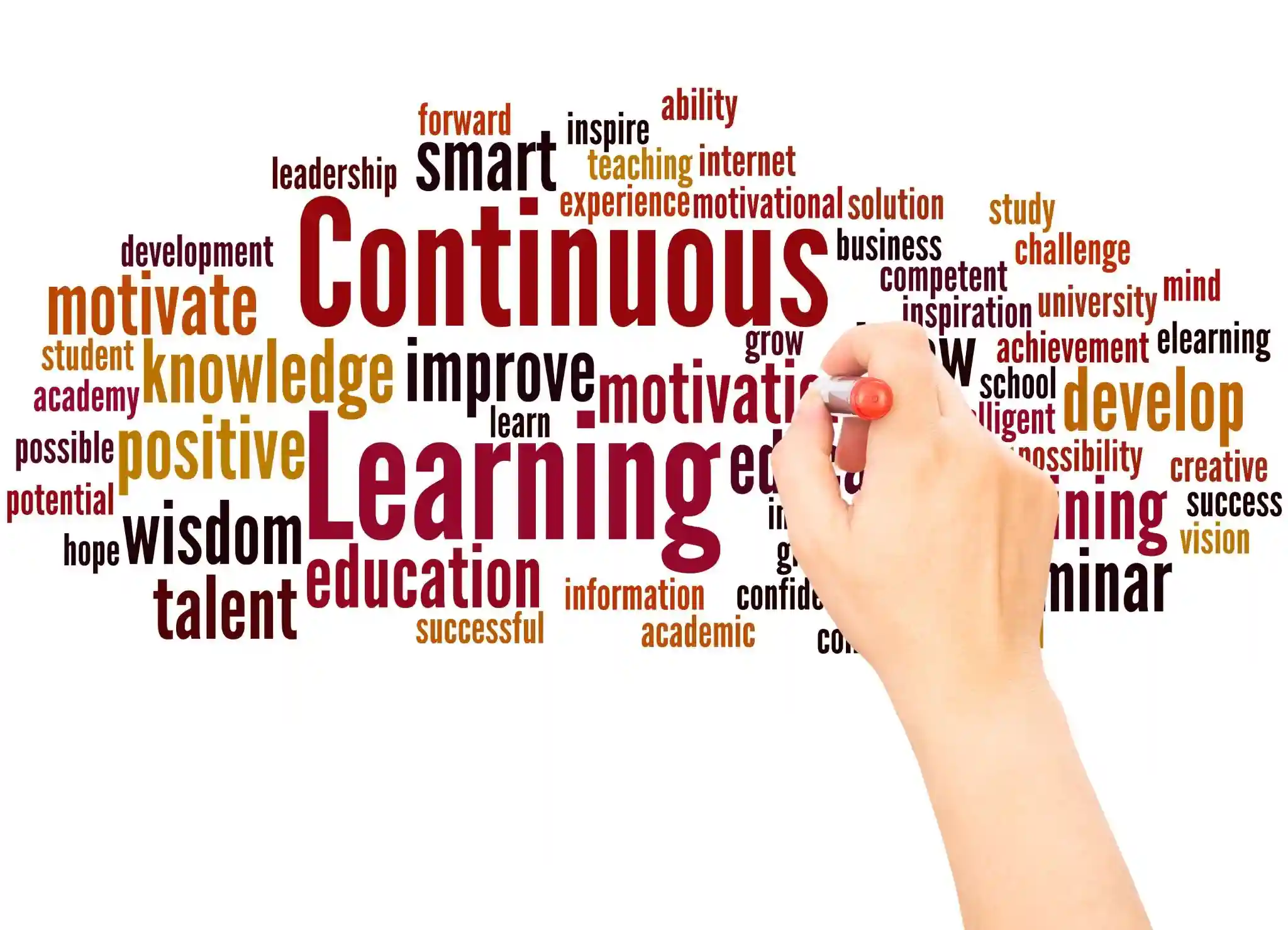


The world of work is changing faster than ever before. Technology evolves rapidly, industries transform, and job requirements shift constantly. In this environment, professional development and continuous learning are no longer optional, they are essential. The people who continue learning are the ones who stay confident, adaptable, and ready for opportunities. Meanwhile, those who stop learning often feel unprepared, outdated, or stuck.
Professional development goes beyond taking training courses or attending workshops. It’s about investing in yourself, improving your abilities, exploring new interests, and understanding your strengths. Continuous learning keeps your mind active, broadens your knowledge, and positions you for long-term career success. Regardless of your role or experience level, learning allows you to grow, advance, and stay relevant.
This guide explains why ongoing learning matters so much and how it affects your confidence, performance, career path, and opportunities.
What Is Continuous Learning?
Continuous learning is the ongoing process of gaining knowledge, skills, behaviours, and personal growth throughout your career. It can happen through:
-
Courses
-
Certifications
-
Mentorship
-
Books
-
Podcasts
-
Workshops
-
Job experiences
-
Self-reflection
The goal is to improve yourself intentionally and consistently, not just when required.
Continuous learning becomes a habit, not a one-time action.
Why Professional Development Matters More Than Ever
Modern careers look very different from those of past generations. People change jobs more often, companies evolve quickly, and new technologies appear constantly. Here’s why development matters.
1. It Helps You Stay Relevant
Skills that were valuable five years ago may not be enough today. Continuous learning helps you stay competitive in your field and adapt to changing expectations.
2. It Boosts Your Confidence
Learning new skills builds confidence. When you know you can keep up with changes, you feel more secure and capable in your role.
3. It Supports Long-Term Career Growth
Professional development increases your chances of getting:
-
Promotions
-
New roles
-
Salary increases
-
Leadership opportunities
Growth becomes possible when your skillset evolves.
4. It Allows You to Explore New Interests
Continuous learning gives you room to discover new strengths and passions. You may find hidden talents or career paths you didn’t consider before.
5. It Improves Job Satisfaction
When you learn, you grow. When you grow, you feel fulfilled. This sense of progress keeps your work exciting and meaningful.
6. It Builds Adaptability
Markets shift. Roles change. Technology updates. Continuous learning prepares you for transitions and helps you adjust with ease instead of stress.
7. It Strengthens Professional Identity
By learning consistently, you develop a clearer sense of who you are professionally and what value you bring to your workplace.
How Continuous Learning Transforms Your Career
Professional development has a powerful impact on long-term career success.
1. You Become More Valuable to Employers
Employees who learn regularly bring fresh ideas, updated skills, and stronger performance. Employers prefer individuals who grow continuously, not those who stay in the same place.
2. You Gain More Career Stability
Continuous learners remain relevant even when industries shift. They are more adaptable during organizational changes and more confident during transitions.
3. You Build a Stronger Professional Reputation
People respect those who stay informed. Learning improves credibility, trust, and recognition from colleagues and leaders.
4. You Can Transition Careers More Easily
If you ever want a new career path, ongoing learning makes the transition smoother. By adding new skills gradually, you reduce fear and uncertainty.
5. You Become a Better Problem-Solver
New knowledge gives you new tools to analyze challenges. Continuous learners often think creatively because they have broader perspectives.
Key Areas of Professional Development to Focus On
Growth happens across multiple areas, not just technical skills.
1. Hard Skills (Technical Skills)
These include the job-specific abilities required in your field, such as:
-
Software expertise
-
Writing
-
Data analysis
-
Technical knowledge
2. Soft Skills
Soft skills are often the difference between success and struggle. They include:
-
Communication
-
Leadership
-
Teamwork
-
Emotional intelligence
-
Time management
Soft skills make you more effective across all environments.
3. Career Knowledge and Industry Awareness
Understanding trends in your industry keeps you informed and ready to anticipate changes. It helps you stay ahead, not behind.
4. Personal Development Skills
Growth also happens internally. Focus on:
-
Confidence
-
Discipline
-
Self-awareness
-
Resilience
-
Decision-making
These qualities influence career success more than people realize.
5. Leadership and Management Skills
Even if you’re not in management yet, leadership skills help you take initiative and stand out professionally.
How to Build a Continuous Learning Mindset
A mindset is what drives long-term growth. Here’s how to build one.
1. Stay Curious
Curiosity drives learning. Ask questions, explore ideas, and stay open to new information.
2. Seek Feedback Regularly
Feedback helps you understand your strengths and weaknesses. Use it to grow, not to criticize yourself.
3. Set Learning Goals
Create short-term and long-term goals like:
-
“Learn one new tool this month.”
-
“Complete a certification this quarter.”
Goals keep your growth consistent.
4. Make Learning a Habit
Integrate learning into your weekly routine:
-
Read 10 pages a day
-
Listen to educational podcasts
-
Take one online class per month
Small, steady steps lead to big progress.
5. Surround Yourself With Growth-Minded People
Your environment influences your growth. Connect with people who value learning and self-improvement.
Strategies for Developing Professionally Throughout Your Career
Here are practical strategies for consistent professional development.
1. Attend Workshops or Webinars
Short learning sessions help you stay updated without overwhelming your schedule.
2. Take Online Courses or Certifications
Platforms offer flexible ways to learn at your pace.
3. Find a Mentor or Coach
Mentorship gives direction. Coaching provides accountability.
4. Join Professional Groups or Communities
Networking exposes you to new ideas, resources, and career opportunities.
5. Volunteer for Challenging Assignments
New responsibilities teach valuable skills and demonstrate initiative.
6. Keep a Learning Journal
Track what you learn. Reflect on it. Notice your progress.
Frequently Asked Questions
1. What’s the difference between professional development and continuous learning?
Professional development focuses on improving skills that support career success, while continuous learning is an ongoing habit of gaining knowledge over time. Professional development can be formal, like training programs, while continuous learning includes everyday growth such as reading, practicing, or seeking mentorship.
2. How can I stay committed to learning when my schedule is busy?
Start small. Dedicate just 10–15 minutes a day to learning activities like listening to a podcast or reading. Break larger goals into manageable steps. When learning becomes part of your routine, it feels natural rather than overwhelming. Over time, these small habits compound into noticeable progress.
3. Do employers value continuous learning even without formal certifications?
Yes. Many employers value initiative, curiosity, and personal growth just as much as formal credentials. Demonstrating self-taught skills, independent study, or hands-on experience shows you are motivated and proactive. Certifications help, but your willingness to learn consistently is equally important, and often more impactful.
Final Thoughts
Continuous learning and professional development are two of the strongest predictors of long-term career success. When you invest in your growth, you give yourself more opportunities, more confidence, and more control over your future. In a world where change is constant, learning helps you stay prepared instead of overwhelmed.
By building small habits, seeking new experiences, and staying curious, you can transform your professional life in meaningful ways. Growth doesn’t need to be complicated, it just needs to be consistent. Every new skill, every piece of knowledge, and every moment of reflection brings you closer to the career and life you want.