

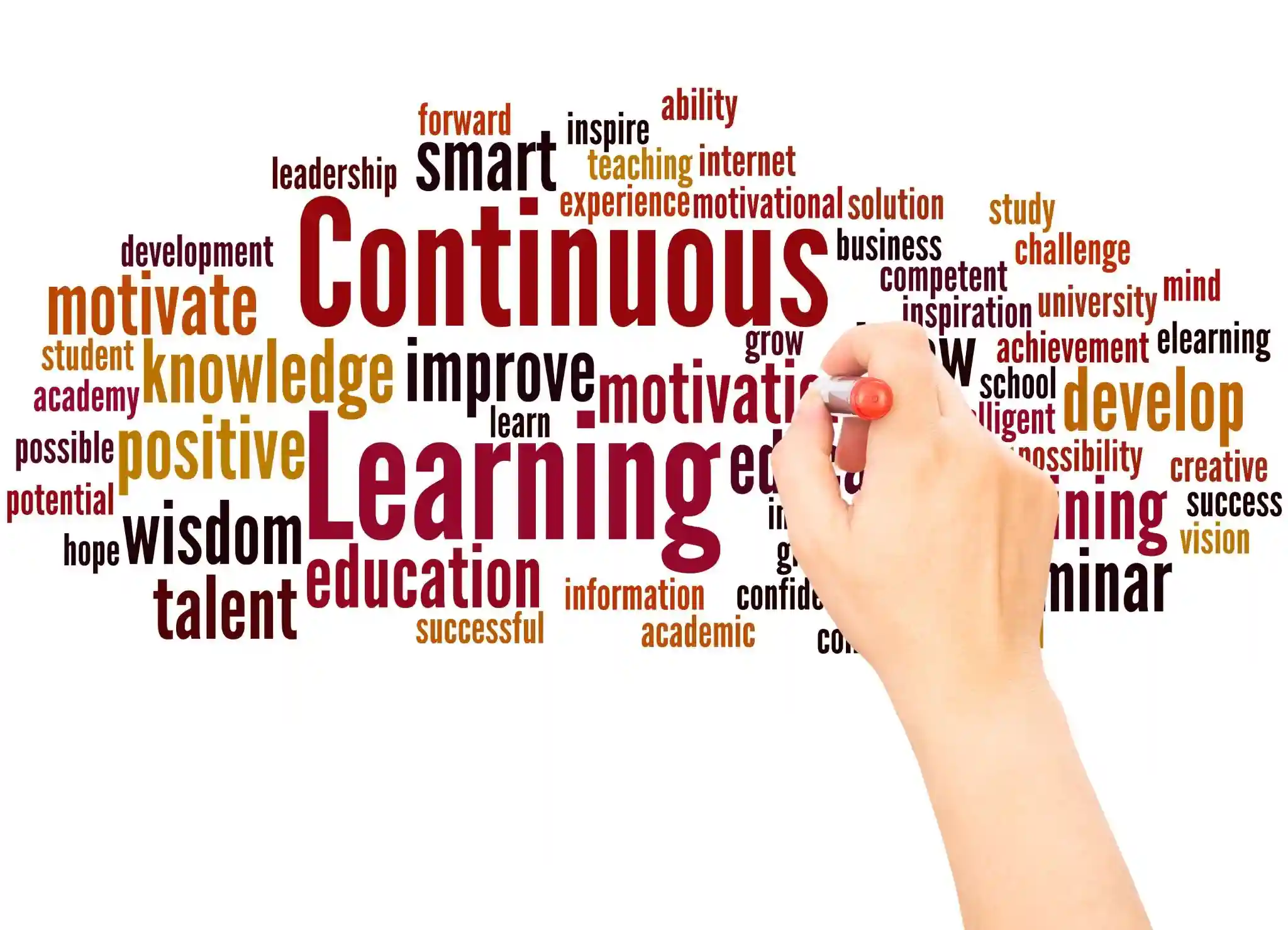

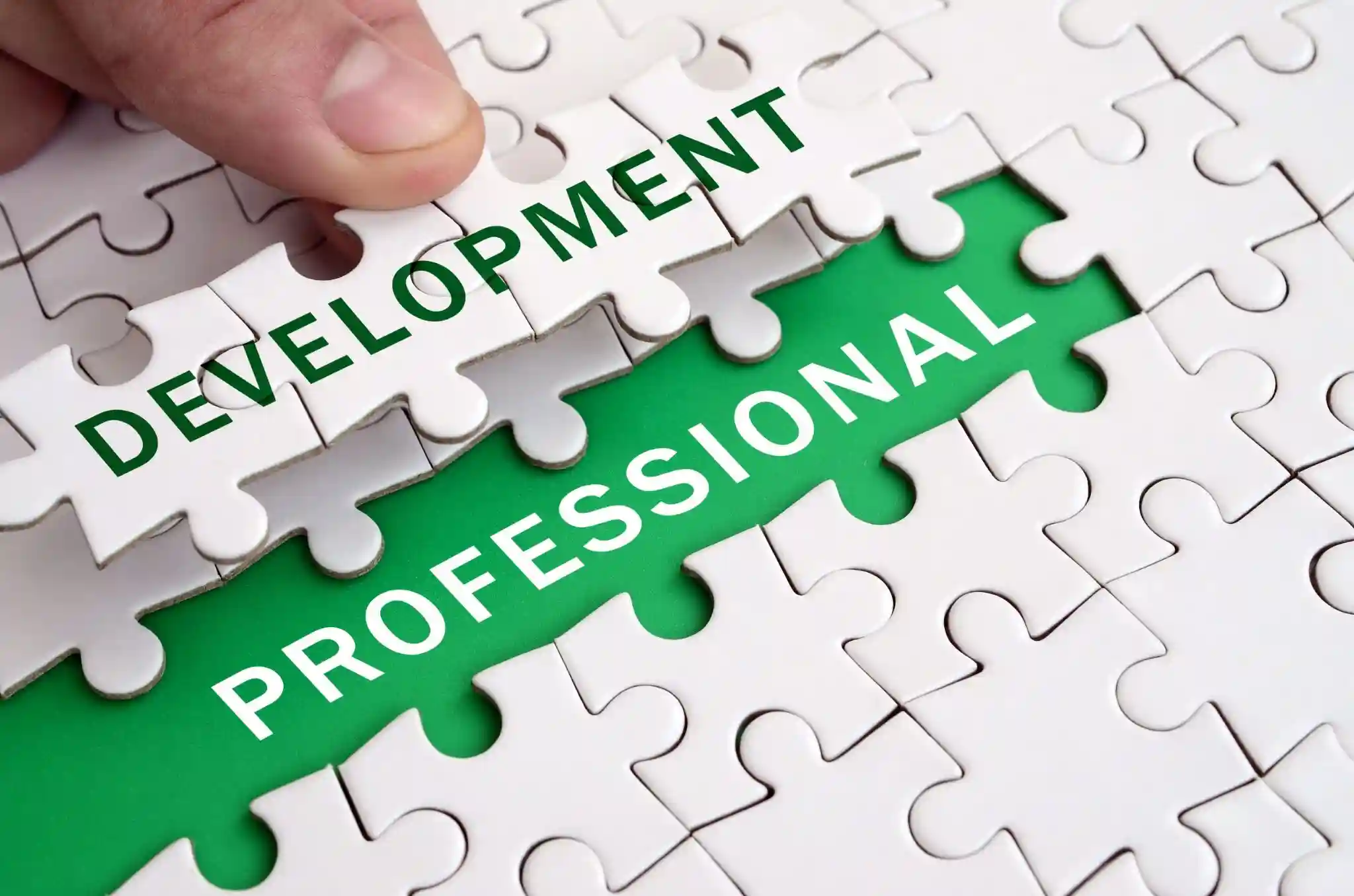

Professional development is more than just improving your skills, it’s a lifelong journey of learning, growth, and self-improvement. In today’s rapidly changing world, the people who grow consistently are the ones who stay adaptable, open-minded, and proactive about upgrading their knowledge. Career growth is no longer determined by seniority or staying in the same job for years. Instead, it depends on how well you evolve, learn, and prepare yourself for new opportunities.
Whether you’re entering the workforce, transitioning careers, or looking for advancement, professional development helps you build confidence, strengthen your skill set, and stand out in your field. It includes everything from formal education to on-the-job learning, networking, mentorships, leadership training, certifications, and personal reflection. No matter your age or career stage, there is always room to improve, and this guide shows you how.
What Is Professional Development?
Professional development is the continuous process of improving your skills, knowledge, experiences, and personal characteristics to perform better at work and grow in your career. It involves both formal and informal learning, such as:
-
Training programs
-
Certifications
-
Workshops
-
Online courses
-
Coaching and mentorship
-
Self-study
-
Hands-on experience
Professional development is not a one-time event. It’s an ongoing investment in yourself.
Why Professional Development Matters for Career Growth
There are many reasons why professional development is essential for long-term career success.
1. It Helps You Stay Competitive
Industries evolve quickly. New technologies and methods appear constantly. Continuous learning ensures you remain valuable and relevant.
2. It Increases Your Confidence
With upgraded skills comes confidence. You feel more capable, prepared, and motivated to take on opportunities.
3. It Leads to New Career Opportunities
Professional development unlocks doors. You can qualify for:
-
Promotions
-
Leadership roles
-
Higher-paying jobs
-
New career fields
4. It Enhances Job Satisfaction
Learning new things brings excitement and personal fulfillment. You feel a sense of progress instead of stagnation.
5. It Strengthens Your Professional Identity
You begin to understand your strengths, interests, and long-term goals more clearly.
6. It Builds Adaptability
The modern workplace demands flexibility. Professional development helps you adjust quickly during changes such as:
-
Organizational restructuring
-
New management
-
Updated technologies
-
Role shifts
Adaptability makes you a more valuable employee.
Core Areas of Professional Development
To grow your career effectively, focus on several key areas.
1. Skill Development
Enhance both hard skills (technical abilities) and soft skills (communication, teamwork, leadership).
Hard skills include:
-
Software knowledge
-
Data analysis
-
Technical writing
-
Coding
-
Marketing
Soft skills include:
-
Communication
-
Time management
-
Emotional intelligence
-
Problem-solving
Strong professionals balance both.
2. Education and Certification
Formal education plays a major role in career advancement. Consider:
-
Degrees
-
Certifications
-
Short courses
-
Bootcamps
These credentials validate your skills and improve your professional credibility.
3. Networking and Relationship Building
Networking is about forming genuine professional connections. You can network through:
-
Industry events
-
Online platforms
-
Professional associations
-
Workshops
-
Conferences
Networking exposes you to opportunities you may not find alone.
4. Mentorship and Coaching
A mentor guides you based on experience. A coach helps you set goals and improve specific skills.
Both offer:
-
Guidance
-
Support
-
Accountability
-
Honest feedback
A good mentor or coach can speed up your career growth significantly.
5. Leadership Development
Even if you’re not in a leadership role yet, leadership training helps you:
-
Manage teams
-
Solve conflicts
-
Inspire others
-
Make decisions
-
Communicate effectively
Leadership skills signal readiness for advancement.
6. Personal Development
Professional growth also depends on your personal habits. Focus on:
-
Time management
-
Stress management
-
Work-life balance
-
Self-awareness
-
Confidence
Your mindset is one of your greatest professional assets.
How to Create a Professional Development Plan
A strong plan gives you direction and purpose. Here’s how to build one.
1. Identify Your Career Goals
Ask yourself:
-
Where do I want to be in one year?
-
Where do I want to be in five years?
-
What skills do I need to get there?
Clear goals help guide your decisions.
2. Assess Your Current Skills
Be honest about your strengths and weaknesses. Tools like self-assessments or feedback from supervisors can help.
3. Choose Valuable Development Activities
Examples include:
-
Enrolling in courses
-
Attending workshops
-
Getting certifications
-
Seeking mentorship
-
Working on specific soft skills
Focus on activities that directly support your goals.
4. Set a Timeline
Break your goals into manageable steps. Consistent small efforts add up over time.
5. Track Your Progress
Review your plan every few months. Adjust it as needed based on your results.
Professional Development Strategies for Every Career Stage
Whether you’re a beginner or a seasoned professional, learning never stops.
Early Career (0–3 Years)
Focus on:
-
Basic skills
-
Building confidence
-
Learning workplace culture
-
Networking
-
Finding mentors
This stage lays the foundation.
Mid-Career (3–10 Years)
Focus on:
-
Advancing your technical skills
-
Leadership training
-
Specializations
-
Career transitions
-
Expanding responsibilities
This stage defines your direction.
Experienced Professionals (10+ Years)
Focus on:
-
Staying updated
-
Mentoring others
-
Executive training
-
Innovation
-
Long-term career planning
This stage reinforces your expertise.
How Professional Development Supports Career Transitions
Many professionals pivot to new fields. Development helps by:
-
Closing skill gaps
-
Building confidence
-
Strengthening resumes
-
Showing employers you’re committed to growth
Transitions become smoother when you have the right tools and mindset.
The Role of Self-Reflection in Professional Growth
Self-reflection helps you understand:
-
What motivates you
-
What drains you
-
Which strengths to build on
-
Which weaknesses to improve
Reflection ensures your career path aligns with your values.
Frequently Asked Questions
1. How often should I update my professional development plan?
It’s ideal to update your plan every six to twelve months. This allows you to evaluate your progress, adjust goals, and add new skills you want to develop. Career needs change frequently, so revisiting your plan ensures you remain aligned with your long-term direction.
2. Do I need formal education for professional development to matter?
Not at all. Professional development can include informal learning like courses, workshops, mentorship, volunteer work, and job-based experiences. Formal education helps, but growth also happens through real-world practice, learning from others, and developing soft skills over time.
3. What’s the biggest barrier to career growth for most professionals?
A lack of continuous learning is one of the biggest obstacles. Many individuals stop developing once they feel comfortable. Without ongoing growth, opportunities shrink. Staying curious, adaptable, and proactive about learning helps avoid career stagnation.
4. How can I stay motivated throughout long-term professional development?
Break large goals into small steps and celebrate progress along the way. Surround yourself with supportive mentors or peers, track achievements, and choose learning activities that genuinely interest you. Motivation grows when progress feels meaningful and manageable.
Final Thoughts
Professional development is a lifelong investment in yourself. It helps you gain new skills, strengthen your confidence, and prepare for new opportunities. No matter your field, continuous learning ensures you remain adaptable and competitive in a fast-changing world. When you take intentional actions toward growth, you shape the future of your career instead of waiting for it to happen.
Career growth becomes more achievable when you combine skill-building, mentorship, reflection, and goal-setting. Even small steps, one course, one habit change, one improved skill, create meaningful progress. The more committed you are to your development, the more possibilities open for you. With consistent effort, your career can evolve in ways you never imagined.