


The flipped classroom model has reshaped the way we think about teaching and learning. Instead of teachers lecturing at the front of the room while students passively listen, the flipped model encourages students to learn new material at home and use class time for problem-solving, collaboration, and hands-on activities. This reversal of roles, learning at home, practicing in class, is why the method is commonly called inverted learning.
In a world where digital tools and interactive resources are more accessible than ever, the flipped classroom aligns perfectly with modern teaching needs. Students benefit from more flexibility, while teachers gain time to offer personalized guidance. Traditional classrooms focus on delivering content first and practicing later. Flipped classrooms introduce content first, then deepen understanding during class.
This article explains what flipped learning really means, how it differs from the traditional approach, and why so many educators are choosing this model for better student outcomes.
What Defines a Traditional Classroom?
Traditional classrooms follow a predictable pattern. The teacher stands at the front of the room, presents the lesson, and students listen, take notes, and ask questions when allowed. After the lesson, students go home to complete assignments based on what they learned.
Traditional classrooms usually include:
-
Live lectures or demonstrations
-
Note-taking
-
Limited discussion time
-
Homework to reinforce content
-
Exams based on in-class lessons
While this structure has worked for decades, it has limitations. Some students learn slower or miss important parts of the lecture. Others don’t understand the homework but have no one to help at home. Students who fall behind often stay behind.
Traditional learning also places the teacher at the center of the learning environment. Students depend heavily on lecture time to grasp concepts.
What Is an Inverted Classroom?
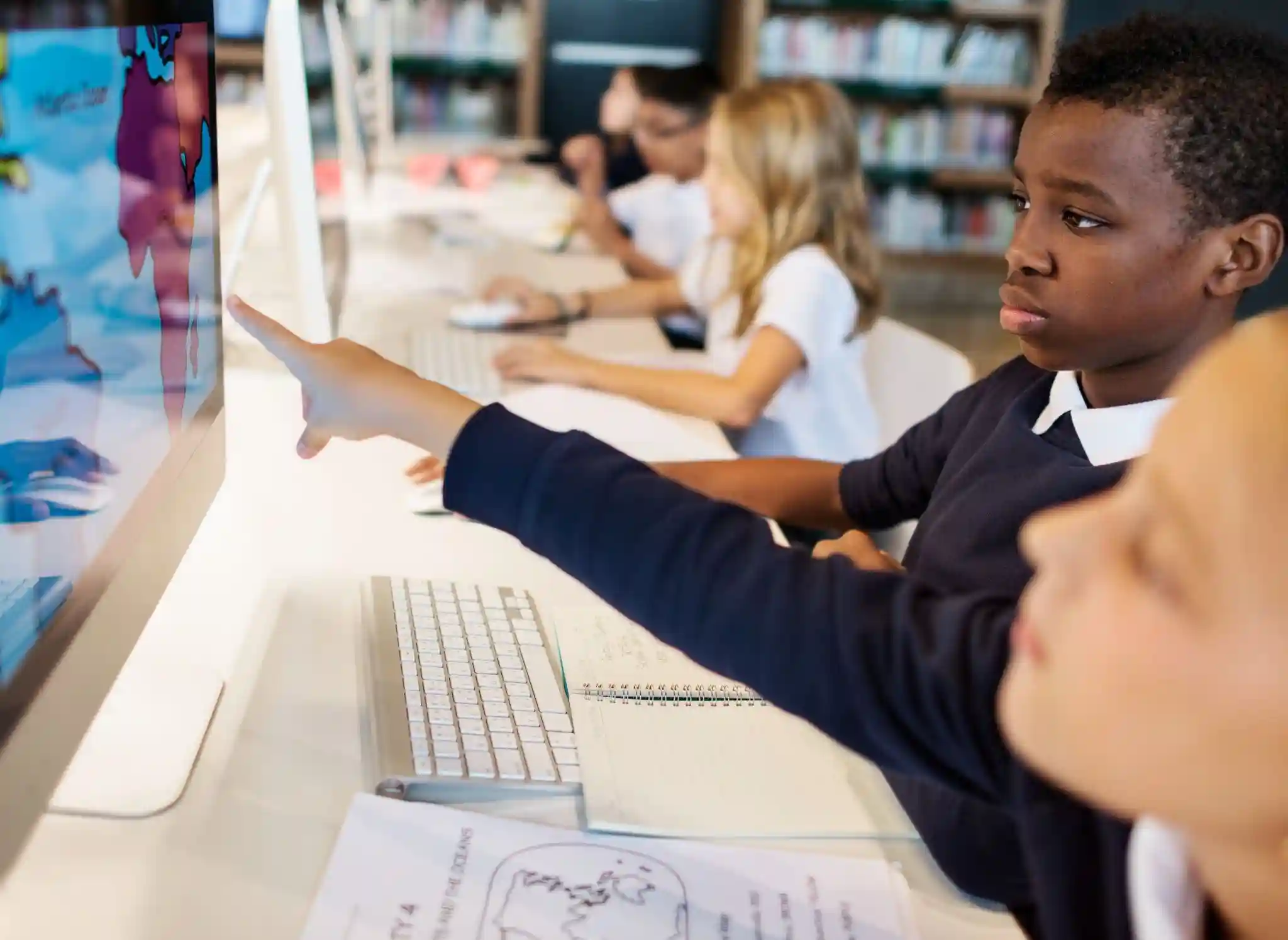
The flipped or inverted classroom takes the traditional model and reverses its flow. Instead of learning new information at school, students access foundational content at home. Instead of doing homework alone, they practice and apply concepts in class with the teacher present.
Inverted classrooms typically involve:
-
Short instructional videos
-
Reading assignments
-
Interactive slide decks
-
Audio lessons or podcasts
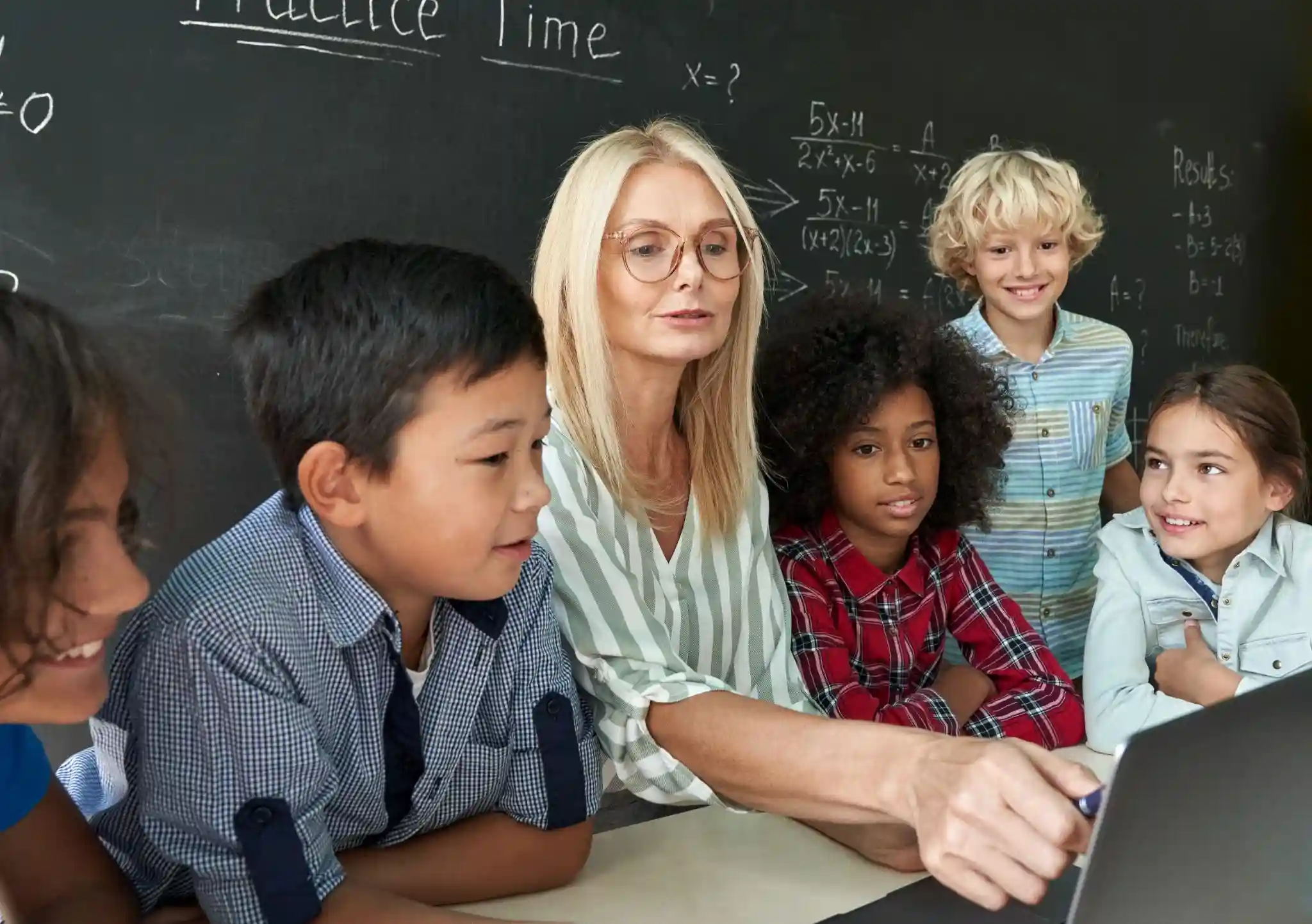
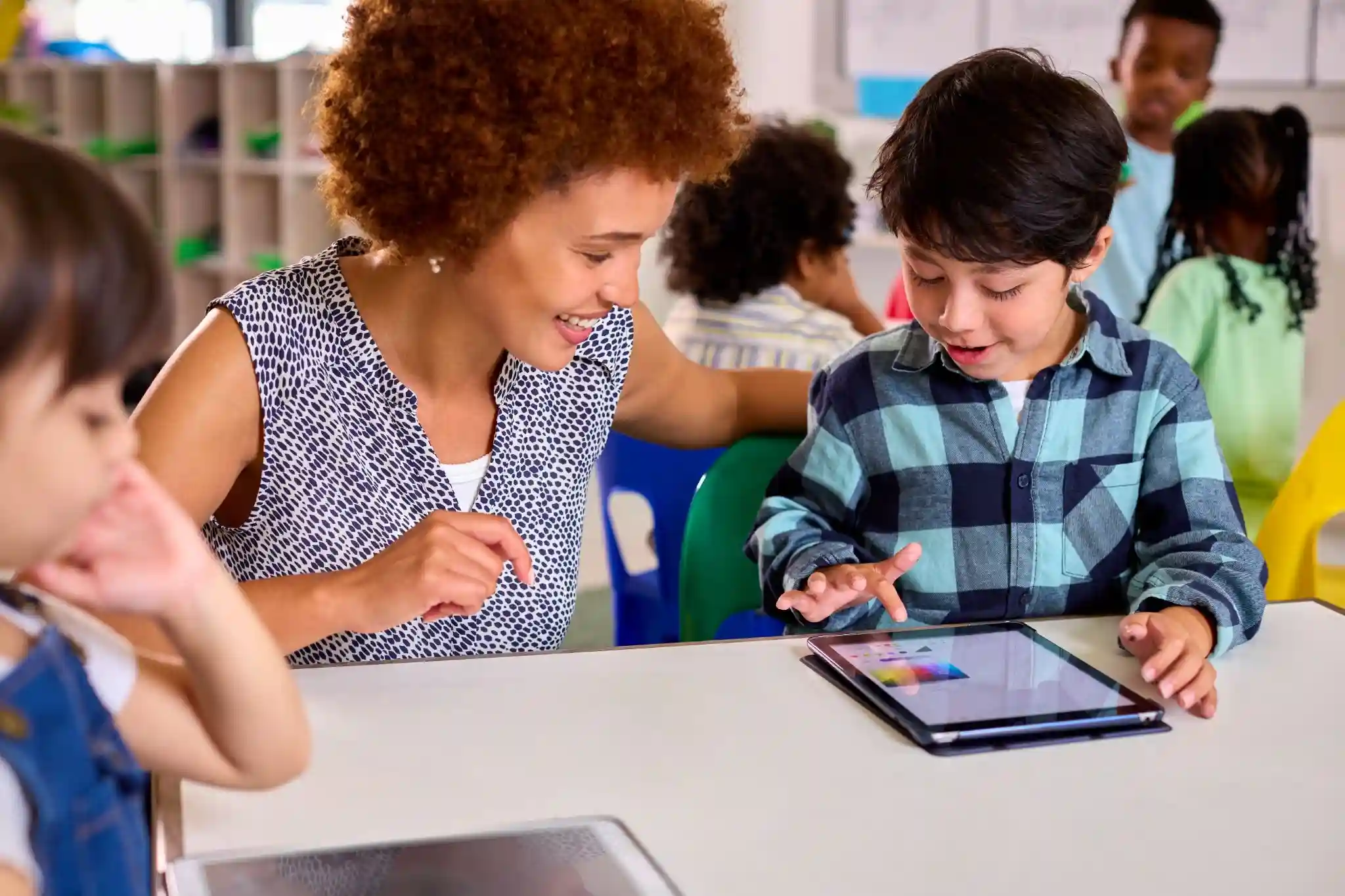
At home, students absorb the basic lesson at their own pace. In class, they work through activities, discussions, problem-solving exercises, and projects. The teacher becomes a mentor, facilitator, and coach, guiding learning instead of delivering long lectures.
The flipped model encourages students to take ownership of learning while using class time for deeper engagement.
Traditional Classroom vs Flipped Classroom: Key Differences
To understand the difference clearly, it helps to compare both models side by side.
1. Delivery of Instruction
Traditional: The teacher delivers the lesson in real time. Students listen passively.
Flipped: Students learn the material before class through videos, readings, or digital lessons.
2. Use of Class Time
Traditional: Class time is spent listening, writing notes, and receiving explanations.
Flipped: Class time is spent applying knowledge, practicing skills, asking questions, and collaborating.
3. Student Engagement
Traditional: Engagement is limited; participation varies depending on confidence and personality.
Flipped: Engagement increases because students enter class ready to participate and practice.
4. Pace of Learning
Traditional: Students must follow the teacher’s pace.
Flipped: Students learn content at their own speed, pause, rewind, review anytime.
5. Support Availability
Traditional: Homework is done at home without teacher support.
Flipped: Homework-like activities (practice) happen in class with help from the teacher.
6. Learning Environment
Traditional: Teacher-centered.
Flipped: Student-centered, collaborative, and interactive.
How the Flipped Classroom Improves Learning
While both models aim to help students succeed, flipped learning has several advantages that appeal to modern educators.
1. Students Take Ownership of Learning
In a flipped model, students control the pace at which they learn new concepts. They can revisit lessons without pressure or interruption.
2. Higher-Level Thinking Happens in Class
Class time becomes a space for:
-
Debating
-
Creating
-
Solving real-world problems
-
Group challenges
Students move beyond memorization and toward mastery.
3. Teachers Can Give More Individualized Help
Because the teacher is not lecturing, they have more time to:
-
Check in with students
-
Help struggling learners
-
Offer targeted feedback
-
Support group collaboration
This reduces classroom anxiety and increases confidence.
4. More Inclusive for Different Learning Styles
Visual learners enjoy videos, auditory learners enjoy explanations, and hands-on learners thrive during in-class tasks.
Challenges When Transitioning to an Inverted Classroom
Flipped learning is effective, but not without challenges:
1. Students Need Access to Devices
Not every home has a laptop or stable internet.
2. Students Must Build Self-Discipline
Without guidance, some may skip pre-class work.
3. Teachers Spend More Time Preparing Content
Videos, materials, activities, and assessments require upfront planning.
4. Not All Subjects Flip Easily
Hands-on subjects like art or PE require creative adaptations.
Despite these challenges, proper planning can turn the flipped model into a powerful educational approach.
Best Practices for Transitioning From Traditional to Flipped
Below are simple ways educators can shift from traditional teaching to inverted learning effectively.
1. Start Small
Begin by flipping one lesson at a time instead of the entire course.
2. Keep Pre-Class Content Concise
Use short videos or mini readings to maintain attention.
3. Set Clear Expectations
Explain the benefits and structure to students and parents early on.
4. Monitor Completion Regularly
Mini quizzes or entrance tasks help encourage accountability.
5. Make Classroom Time Highly Interactive
Avoid turning class back into lectures, focus on activities that deepen understanding.
FAQs
1. Is a flipped classroom more effective for all age groups?
It works well across ages, but the design should match the developmental level. Younger students need shorter videos and simple instructions, while older students benefit from more independent learning. When appropriately adapted, flipped learning can support every grade level by making lessons interactive and student-centered.
2. What happens if a student cannot watch videos at home?
Teachers often provide alternatives such as printed summaries, downloadable lessons, or short in-class preview time. Schools can also offer device loan programs or offline access. The goal is flexibility, not strict reliance on technology, so every student can learn comfortably.
3. Do flipped classrooms eliminate the need for homework completely?
In many cases, yes. Traditional homework is replaced by in-class practice. However, some teachers assign light reinforcement tasks, reflections, or preparation activities. The goal is not to increase workload but to shift practice time to the classroom where support is available.
4. How can teachers keep students motivated to complete pre-class learning?
Motivation improves when pre-class content is short, engaging, and clearly connected to class activities. Gamified quizzes, discussion prompts, and visible classroom benefits help students see the purpose. Over time, students develop habits that make the flipped model smoother and more enjoyable.
Conclusion
The flipped classroom model is a powerful alternative to traditional teaching, offering students more flexibility and teachers more in-class engagement time. Instead of relying solely on lectures, instructors can transform their classrooms into interactive, student-driven environments where critical thinking, collaboration, and creativity thrive. Students also benefit from learning content at their own pace and practicing skills with real-time support.
Although transitioning to an inverted classroom takes planning and adjustment, the long-term rewards are significant. With thoughtful implementation, this model creates deeper understanding, stronger communication between teachers and students, and a more enjoyable learning experience overall. Flipped learning is more than a trend, it’s a meaningful step toward future-ready education.