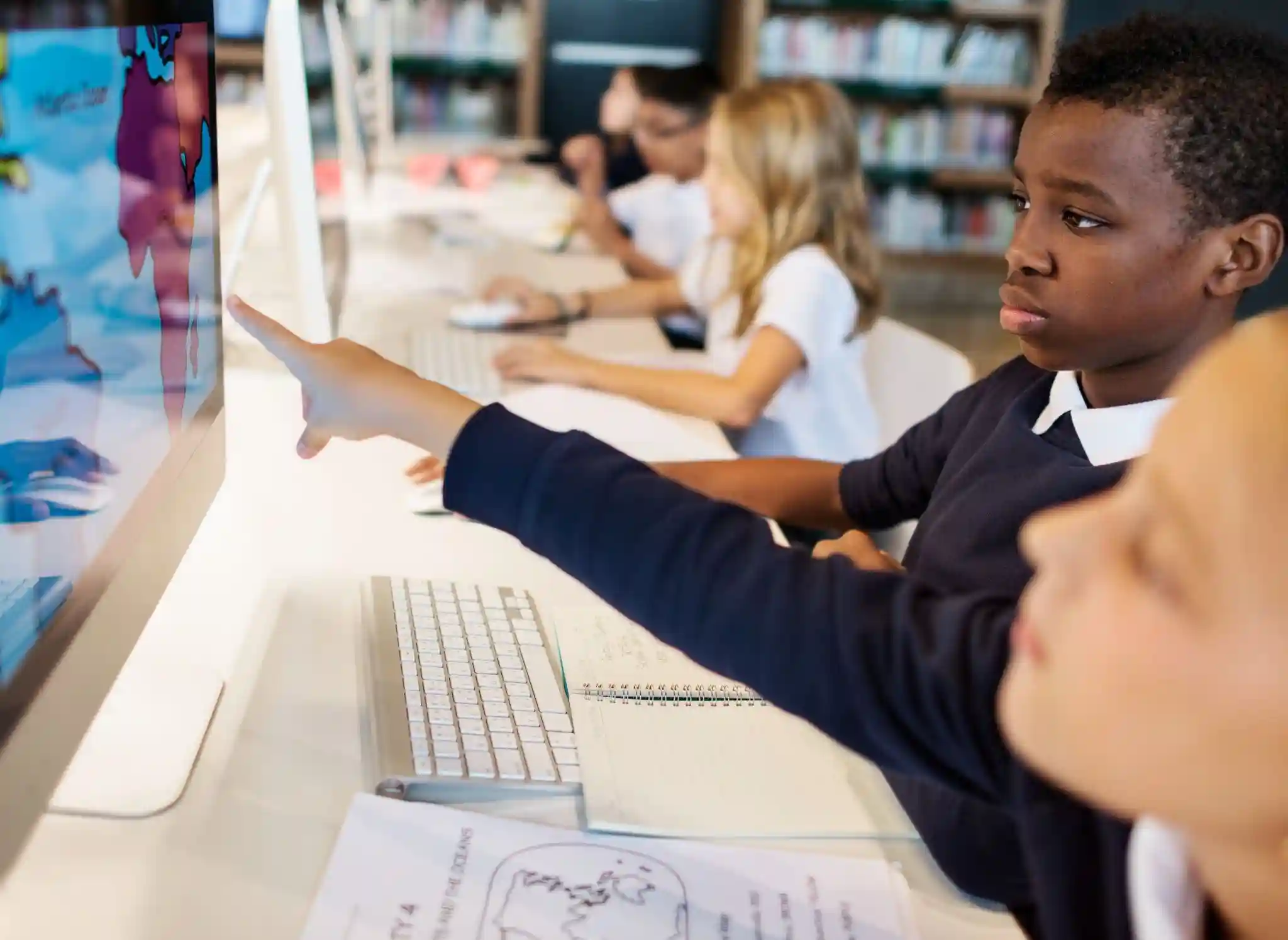



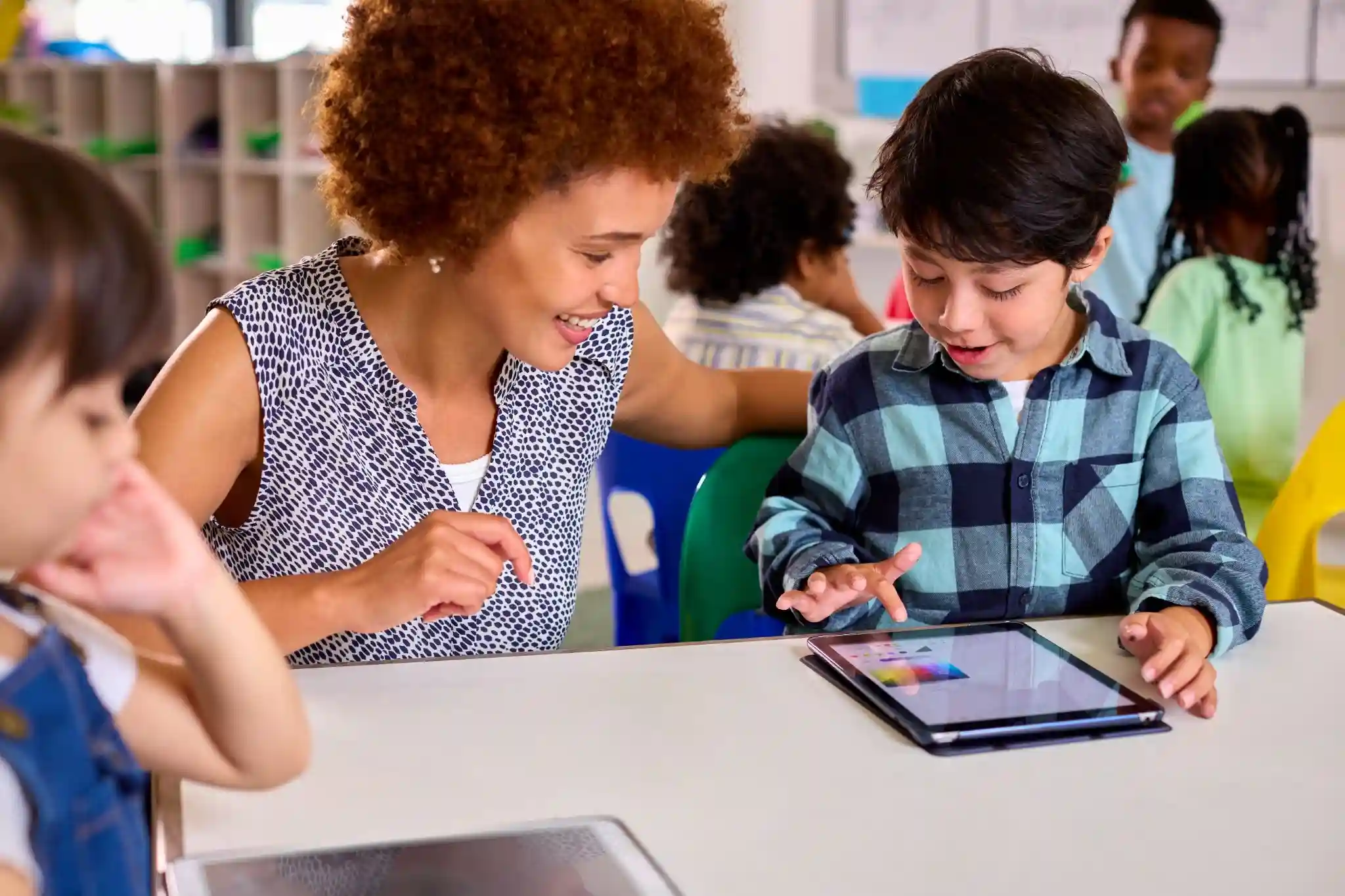


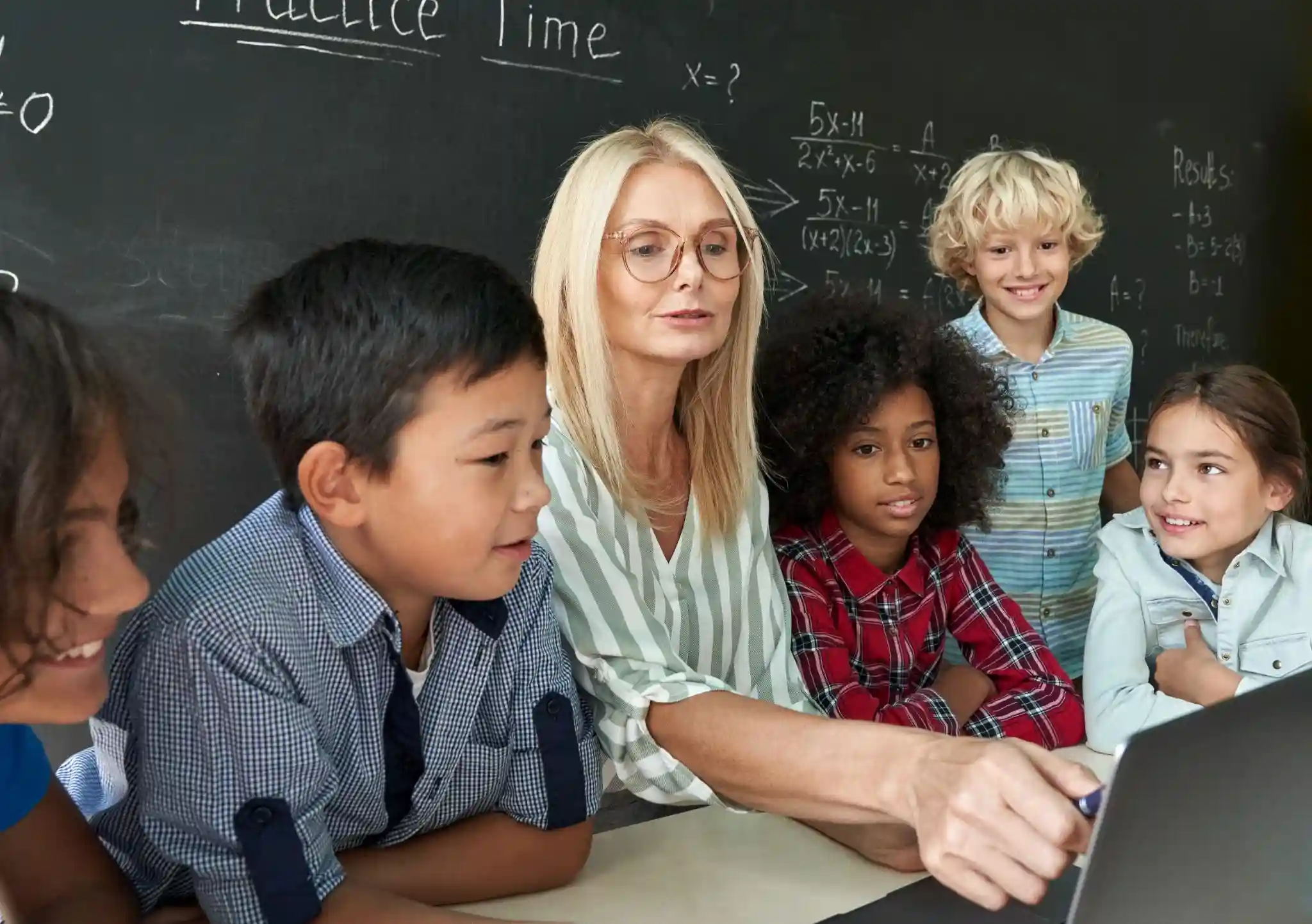
Education has evolved dramatically in the last decade, and one of the biggest shifts is the rise of the flipped classroom, also known as inverted learning. This model changes the traditional flow of teaching, giving students more control over how they learn and offering teachers more flexibility in delivering instruction. Instead of receiving lessons in class and doing homework afterward, students learn new material at home through videos, readings, and interactive resources, then use classroom time for discussions, practice, projects, and personalized support.
The flipped classroom has become popular because it addresses many modern challenges: short attention spans, diverse learning needs, overloaded curriculums, and digital accessibility. When used correctly, it encourages active engagement, deeper understanding, and stronger teacher-student relationships. It also allows students to learn at their own pace, review lessons as needed, and arrive in class prepared for collaborative work.
This guide explores the flipped classroom model in detail, how it works, why it matters, how teachers can implement it, and how inverted learning transforms student engagement. Whether you’re a teacher, parent, administrator, or student, this article explains everything in simple, relatable terms.
What Is the Flipped Classroom Model?
The flipped classroom reverses the traditional teaching sequence. Instead of teaching new content in class and assigning homework later, students learn foundational concepts before coming to class. Classroom time is then used for applying knowledge, asking questions, and practicing together.
In a traditional classroom:
-
Teacher delivers the lesson during class
-
Students listen and take notes
-
Practice happens at home with limited support
-
Students learn through videos, readings, or tutorials at home
-
Class time becomes an active learning environment
-
Teacher supports students through hands-on activities, group work, and problem-solving
The core idea is simple:Direct instruction happens at home. Active learning happens in class.
Why Flipped and Inverted Learning Are Becoming Popular
Several factors have contributed to the rise of flipped learning:
1. Increased Access to Technology
Students now have access to smartphones, laptops, and internet resources that make at-home learning easier.
2. Need for Student Engagement
Traditional lectures often fail to engage students. Flipped learning encourages participation, collaboration, and discussion.
3. Flexible Learning for Different Paces
Students can pause, rewind, or rewatch lessons without feeling embarrassed.
4. More Time for Personalized Support
Classroom time can be used for individualized help rather than passive note-taking.
5. Promotes Higher-Order Thinking Skills
Instead of memorizing information, students use classroom time to analyze, apply, and evaluate what they learned.
How the Flipped Classroom Model Works
The flipped classroom follows a simple structure but has a powerful impact on the learning process.
1. Pre-Class Learning at Home
Students receive instructional material—usually digital—to learn at home. This may include:
-
Short instructional videos
-
Readings or digital textbooks
-
Interactive lesson simulations
-
Podcast-style mini lessons
-
Slides with audio narration
The goal is to introduce concepts in a way students can revisit anytime.
2. In-Class Active Learning
Once students arrive in class, they already know the basics. This allows time for activities such as:
-
Group work
-
Case studies
-
Lab experiments
-
Project-based learning
-
Peer teaching
-
Teacher-guided problem-solving
Instead of lecturing, teachers become facilitators and coaches.
3. Feedback and Assessment
Flipped classrooms rely heavily on continuous feedback. Teachers frequently check students’ understanding through:
-
Quick quizzes
-
Exit tickets
-
One-on-one check-ins
-
Small-group assessments
-
Real-time digital polls
This helps identify students who need extra support.
Benefits of the Flipped Classroom Model
Flipped learning offers benefits for both students and teachers.
1. Students Gain More Control
Students learn at their own pace instead of trying to keep up with a fast lecture. They can pause, replay, or take notes at a rhythm that suits them.
2. Classroom Time Becomes More Meaningful
Class becomes a place for exploration, collaboration, creativity, and problem-solving rather than passive listening.
3. Stronger Understanding of Concepts
Active learning improves retention. Students remember better when they are discussing, practicing, or engaging with material.
4. Supports Different Learning Styles
Visual, auditory, reading, and kinesthetic learners all benefit from varied resources.
5. Enhances Student Confidence
Self-directed learning builds independence and encourages students to take responsibility for their progress.
6. More Opportunities for Teacher Support
Teachers can spend class time supporting struggling students instead of lecturing.
Challenges of the Flipped Classroom
Flipped learning has many benefits, but it also comes with challenges that educators need to address.
1. Unequal Access to Technology
Not all students have reliable internet or devices at home.
2. Students May Not Complete Pre-Class Work
Teachers must ensure pre-class learning is engaging and manageable.
3. More Preparation for Teachers
Creating videos, planning activities, and tracking progress takes time.
4. Transition Period Is Required
Students and parents may need time to adjust to the new learning structure.
These challenges can be managed with clear communication, flexible planning, and creative solutions.
Best Practices for an Effective Flipped Classroom
To make flipped learning smooth and successful, teachers can follow these helpful strategies:
1. Keep Home Lessons Short and Simple
Students engage better with:
-
Short videos (5–10 minutes)
-
Simple readings
-
Clear instructions
Long videos overwhelm students and reduce motivation.
2. Use Multiple Learning Formats
A combination of videos, infographics, audio recordings, and text helps reach all learning styles.
3. Provide Guiding Notes
Give students a simple outline or worksheet to fill in while learning at home.
4. Start Class with a Quick Check-In
A mini quiz or short discussion confirms students understood the material.
5. Create Engaging Classroom Activities
Use class time for:
-
Roleplays
-
Peer teaching
-
Debates
-
Experiments
-
Scenario-based tasks
These activities reinforce understanding.
6. Build Community and Collaboration
Group work builds communication skills and improves student engagement.
7. Use Technology Wisely
Tools like Google Classroom, LMS platforms, or quiz apps help manage flipped environments efficiently.
FAQs
1. Do students actually learn better in a flipped classroom model?
Yes, many students learn better because flipped learning allows them to control the pace of their lessons and use class time for deeper understanding. Instead of passively listening, they actively participate through discussions and hands-on activities, which improves memory, engagement, and critical thinking.
2. What if students don’t complete the pre-class work?
Teachers can keep materials short, engaging, and easy to access. A quick check-in activity at the start of class encourages accountability. Over time, students adapt to this learning cycle. Some teachers also allow brief in-class catch-up periods to ensure no student falls behind.
3. Does a flipped classroom require advanced technology?
Not necessarily. While videos and online resources help, many flipped classrooms use printed materials or simple audio recordings. The focus is on shifting instructional time—not using expensive tools. Teachers can start small and grow their digital resources gradually based on student needs.
4. Is a flipped classroom suitable for younger learners?
Yes, but with modifications. For younger grades, shorter content, simple visuals, and parent communication are essential. Class time should focus on play-based, hands-on activities that reinforce lessons. With the right structure, even elementary students benefit from an inverted learning approach.
Conclusion
The flipped classroom model is reshaping education by giving students more control, creating active classroom environments, and improving understanding through meaningful engagement. Instead of relying on long lectures, this approach shifts learning to a flexible, student-centered system that uses class time for practice, collaboration, and personalized support. It encourages deeper thinking, long-term retention, and stronger relationships between teachers and students.
Flipped learning doesn’t require perfect technology or complicated setups, only thoughtful planning and a willingness to rethink traditional methods. When implemented with clear structure and consistent routines, it becomes an effective way to make learning more interactive, adaptable, and enjoyable for students of all levels. Over time, this model helps students develop independence, confidence, and a love for learning that carries far beyond the classroom.