


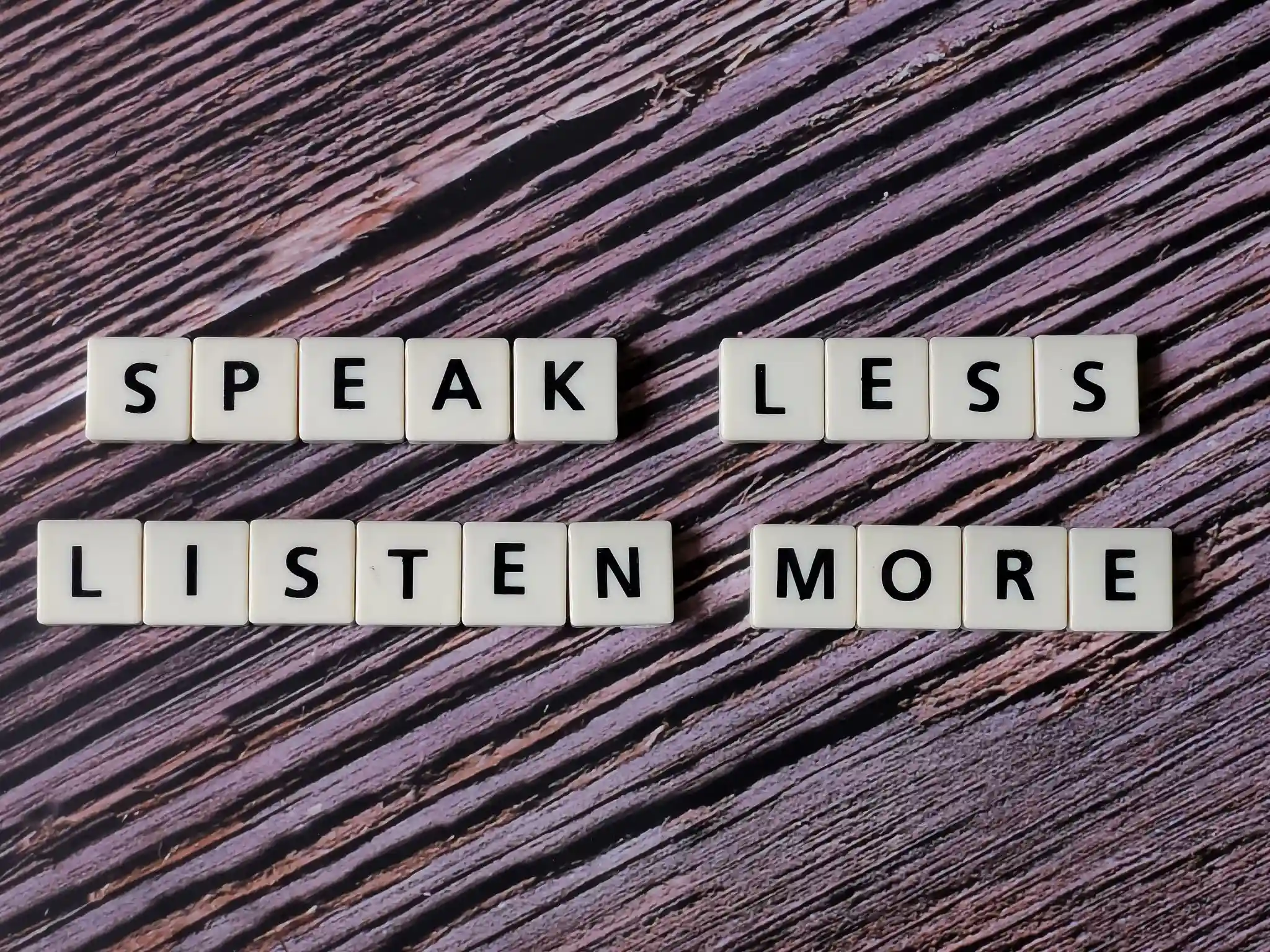




Active listening is one of the most valuable communication skills in any workplace, yet it is also one of the most overlooked. Many people listen just long enough to reply, defend themselves, or share their own perspective. But active listening requires something deeper: attention, intention, and empathy. Whether you’re an employee, a manager, or a business owner, strong listening skills shape how effectively you collaborate, solve problems, build relationships, and perform in your role.
In a modern work environment filled with meetings, messages, tight deadlines, and digital distractions, communication can easily become rushed or incomplete. Misunderstandings happen quickly. Conflicts escalate faster. Projects fall behind. Many of these issues can be solved, or prevented entirely, by strengthening active listening skills. When employees feel heard, they participate more. When leaders listen, teams feel supported. When coworkers listen to each other, collaboration becomes easier.
This guide explores why active listening matters in the workplace, the benefits it brings, and how it influences everything from teamwork to leadership to productivity.
What Does Active Listening Look Like at Work?
In a workplace setting, active listening means giving full attention to the speaker, focusing on understanding what they mean, and responding in a way that shows clarity and respect. It applies to conversations with:
-
Colleagues
-
Clients
-
Supervisors
-
Direct reports
-
Teams
-
Departments
Workplace active listening includes:
-
Maintaining eye contact
-
Putting phones or laptops aside
-
Asking clarifying questions
-
Allowing others to finish speaking
-
Showing interest through body language
-
Paraphrasing key points
-
Responding thoughtfully
The goal is clear communication, not assumptions.
Why Active Listening Is Critical in the Workplace
Workplaces rely on communication to function. Without active listening, errors multiply, trust weakens, and efficiency drops. Here are key reasons listening skills are essential.
1. It Improves Team Collaboration
Teams work best when everyone feels heard. Active listening creates:
-
Stronger communication
-
More honest exchange of ideas
-
Higher cooperation
-
Fewer misunderstandings
When team members actively listen, work becomes smoother and conflicts are reduced.
2. It Strengthens Relationships at Work
Strong workplace relationships are built on trust and respect. Employees feel valued when their opinions, concerns, and ideas are understood. Listening makes colleagues feel:
-
Appreciated
-
Supported
-
Motivated
-
Connected
Healthy relationships boost morale and reduce workplace stress.
3. It Enhances Leadership Effectiveness
Leaders who listen well gain more influence and respect. Employees follow leaders who:
-
Understand their needs
-
Respond thoughtfully
-
Make informed decisions
-
Create space for open communication
Many leadership problems arise not from poor decisions but from poor listening.
4. It Reduces Miscommunication and Mistakes
A major cause of workplace errors is unclear communication. Active listening helps prevent:
-
Misinterpreted instructions
-
Missed deadlines
-
Confusion
-
Duplicate work
-
Unnecessary conflicts
Clarifying questions and reflections keep projects running smoothly.
5. It Encourages Innovation and Creative Problem-Solving
Employees share more ideas when they feel heard. Active listening:
-
Sparks new perspectives
-
Encourages brainstorming
-
Supports creative solutions
Innovation thrives in environments where every voice matters.
6. It Improves Customer and Client Satisfaction
Customer-facing employees must listen carefully to understand needs and concerns. Active listening ensures:
-
Better service
-
Faster issue resolution
-
Stronger client relationships
-
Higher trust
Satisfied customers return, and recommend the business.
7. It Strengthens Workplace Culture
A workplace that values listening creates an atmosphere of respect and psychological safety. When listening becomes part of the culture:
-
Communication is more open
-
Employees feel safe sharing concerns
-
Collaboration is easier
-
The environment becomes more inclusive
This kind of culture leads to long-term success.
Active Listening Skills Every Employee Should Practice
Improving active listening takes awareness and consistency. Here are the core workplace listening skills that make the biggest impact.
1. Giving Full Attention
The moment you split attention, checking email, scrolling on your phone, you weaken connection and accuracy. Full attention shows professionalism.
2. Using Open and Supportive Body Language
Body language communicates interest. These behaviors help:
-
Leaning slightly forward
-
Nodding
-
Keeping an open posture
-
Maintaining eye contact
Supportive body language builds trust.
3. Avoiding Interruptions
Employees often cut in because they think they already know what’s coming next. Interruptions create frustration and break communication flow.
Allow the speaker to finish, even if you disagree.
4. Asking Clarifying Questions
Questions help deepen understanding, such as:
-
“What outcome are you hoping for?”
-
“When do you need this completed?”
-
“Can you explain that step again?”
Good questions reduce assumptions.
5. Reflecting Key Points
Reflection reinforces accuracy. Examples:
-
“So the main issue is the deadline, right?”
-
“You’re concerned about the workload increasing?”
Reflection prevents confusion.
6. Showing Empathy
Workplaces are made of humans, not machines. Empathy improves teamwork, especially during moments of:
-
Stress
-
Change
-
Feedback
-
Conflict
Empathy softens disagreements and improves emotional connection.
7. Pausing Before Responding
A short pause creates space for understanding. It also prevents reactive or defensive responses.
8. Offering Thoughtful Feedback
Good listeners respond carefully. Instead of dismissing ideas or emotions, they:
-
Acknowledge the message
-
Validate concerns
-
Share solutions calmly
Thoughtful responses keep communication productive.
Common Barriers to Active Listening at Work
Even good communicators struggle sometimes. Recognizing the barriers helps you overcome them.
1. Distractions and Multitasking
Digital notifications, multitasking, and noisy environments interrupt focus.
2. Stress and Overload
When employees feel overwhelmed, they listen less effectively.
3. Assumptions
Assuming you already know someone’s point leads to misinterpretation.
4. Emotional Reactions
Strong emotions make it harder to listen objectively.
5. Bias or Prejudgment
Judging a person before they speak blocks honest communication.
6. Time Pressure
Rushed conversations increase mistakes.
Workplaces benefit when employees intentionally slow down and focus.
How Leaders Can Use Active Listening to Improve the Workplace
Leaders have the greatest influence on communication culture. Active listening transforms leadership effectiveness.
1. It Builds Trust With Employees
Employees trust leaders who listen, not those who interrupt or dismiss concerns.
2. It Enhances Decision-Making
Leaders who listen gather more information and make better choices.
3. It Improves Team Performance
Teams perform better when they feel supported.
4. It Reduces Turnover
Many employees leave jobs not because of workload, but because they feel unheard.
Listening creates loyalty.
5. It Strengthens Conflict Resolution
Leadership requires navigating disagreements smoothly. Listening de-escalates tension and helps find solutions faster.
Active Listening in Remote and Hybrid Work Environments
Modern workplaces rely heavily on digital communication. But listening through screens is harder than listening in person.
To improve active listening virtually:
-
Turn cameras on when possible
-
Avoid typing or multitasking
-
Repeat key points
-
Ask direct questions
-
Use short summaries at the end
-
Keep tone warm and steady
Remote listening requires extra intentional effort.
How Active Listening Improves Workplace Productivity
Listening boosts productivity by:
-
Ensuring clarity
-
Reducing back-and-forth corrections
-
Minimizing conflict
-
Strengthening teamwork
-
Encouraging initiative
-
Supporting faster, more aligned execution
When employees understand expectations correctly the first time, everything moves faster.
Frequently Asked Questions
1. How can managers encourage active listening among their teams?
Managers can encourage active listening by modeling it themselves, setting expectations for respectful communication, and creating spaces where all voices are heard. Regular check-ins, open discussions, and feedback sessions help reinforce the importance of listening. When leaders listen actively, teams naturally begin to mirror the same behavior.
2. Why do workplace misunderstandings happen even when people believe they’re listening?
Misunderstandings happen because people often listen to respond rather than listen to understand. Distractions, assumptions, and emotional reactions also interfere with clarity. Active listening requires deliberate focus, follow-up questions, and reflection. Without these steps, messages can be distorted or partially interpreted.
3. What is the biggest benefit of active listening in a professional setting?
The biggest benefit is trust. Employees feel valued when they are heard, and teams work better when communication flows openly. Trust influences productivity, collaboration, morale, creativity, and conflict resolution. When trust grows, communication becomes smoother and the entire work environment becomes more positive and efficient.
Final Thoughts
Active listening is far more than a workplace skill, it’s a foundation for stronger relationships, clearer communication, and a healthier work environment. When employees truly listen to each other, teamwork improves, frustration decreases, and ideas flow more freely. Projects become smoother because everyone understands expectations clearly and feels supported during challenges. The workplace becomes a more respectful and enjoyable place to be.
By practicing consistent eye contact, asking thoughtful questions, reflecting meaning accurately, and keeping distractions away, you can strengthen your listening habits over time. Whether you’re building your career or leading a team, active listening helps you connect deeply, communicate clearly, and make better decisions. It’s a simple skill, but one that transforms workplace culture in powerful and lasting ways.